
In the face of climate change and increasing global food demands, efficient water management has never been more critical. Irrigation systems play a pivotal role in ensuring sustainable agricultural practices. This article delves into the latest advancements in irrigation technology, exploring their benefits and applications in modern farming.
Understanding Irrigation Systems
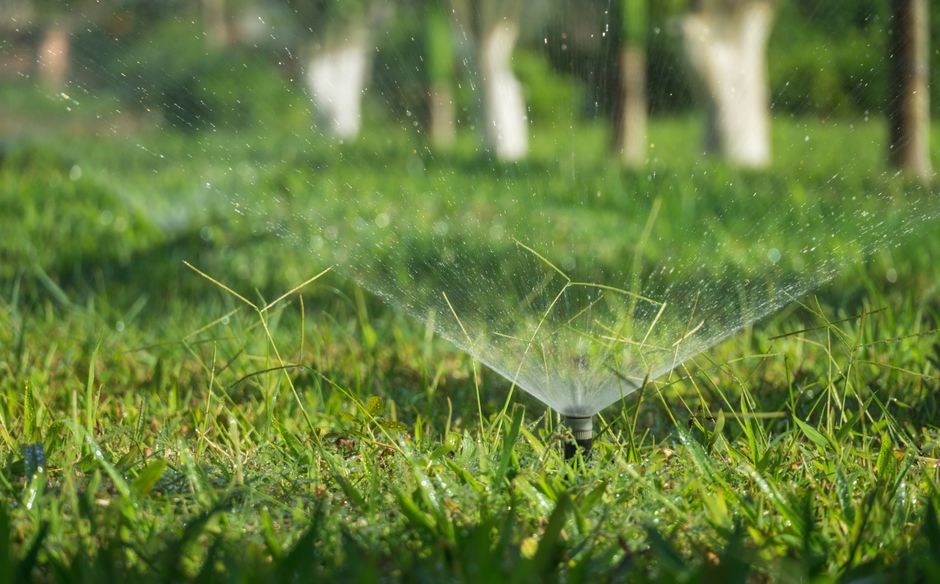
Irrigation systems are methods used to deliver water to crops in a controlled manner. Various types, including surface, drip, and sprinkler irrigation, serve different agricultural needs. Surface irrigation is the oldest method, allowing water to flow over the soil surface while drip irrigation delivers water directly to the plant’s root zone through a network of tubing. Sprinkler systems mimic natural rainfall, making them widely popular for diverse crop types.
Each irrigation system offers distinct advantages. For instance, drip irrigation can reduce water usage by up to 60% compared to traditional methods, making it a favorite among water-scarce regions. Understanding these systems is crucial for farmers aiming to maximize yield while conserving resources.
Innovations in Irrigation Technology
Recent technological advancements have transformed irrigation practices. Smart irrigation systems, which utilize sensors and data analytics, enable farmers to monitor soil moisture levels in real-time. This allows for precise watering schedules, reducing waste and ensuring crops receive the optimal amount of water.
Moreover, the integration of IoT (Internet of Things) in irrigation systems is revolutionizing agriculture. IoT devices can collect data on weather patterns, soil conditions, and crop health, providing farmers with actionable insights. For example, a smart irrigation system can automatically adjust watering schedules based on current weather forecasts, preventing overwatering during rainy periods.
Environmental Impact of Irrigation Systems
While irrigation systems are essential for crop production, their environmental impact must be considered. Poorly managed irrigation can lead to issues such as soil salinization and depletion of local water resources. Therefore, adopting sustainable practices in irrigation is crucial.
Research indicates that implementing efficient irrigation systems can significantly reduce water runoff and soil erosion. For example, a study showed that adopting drip irrigation in vineyards not only improved grape yields but also reduced water usage by 50%. These practices contribute to healthier ecosystems and promote biodiversity in agricultural landscapes.
Case Studies of Successful Irrigation Implementations
Several farms worldwide have successfully implemented innovative irrigation systems that serve as models for sustainability. In Israel, where water scarcity is a pressing issue, farmers have adopted advanced drip irrigation techniques. This approach has transformed arid lands into productive agricultural zones, demonstrating the potential of technology in addressing water challenges.
In California, a state known for its diverse agriculture, many farmers are now using soil moisture sensors to optimize their irrigation practices. By monitoring moisture levels, they can determine the exact timing and amount of water needed, leading to improved crop yields and reduced water waste.
The Future of Irrigation Systems
The future of irrigation systems lies in embracing technology and sustainable practices. As the global population continues to grow, the demand for food will increase, placing additional pressure on water resources. Innovations such as automated irrigation systems and AI-driven analytics will become increasingly important in meeting these demands.
The adoption of sustainable irrigation practices not only benefits farmers but also supports global efforts to combat climate change. By optimizing water usage and reducing environmental impact, the agricultural sector can play a significant role in creating a more sustainable future.
For further insights into the advancements in the irrigation system, resources such as irrigation system studies and publications can provide valuable information.
About the Author