
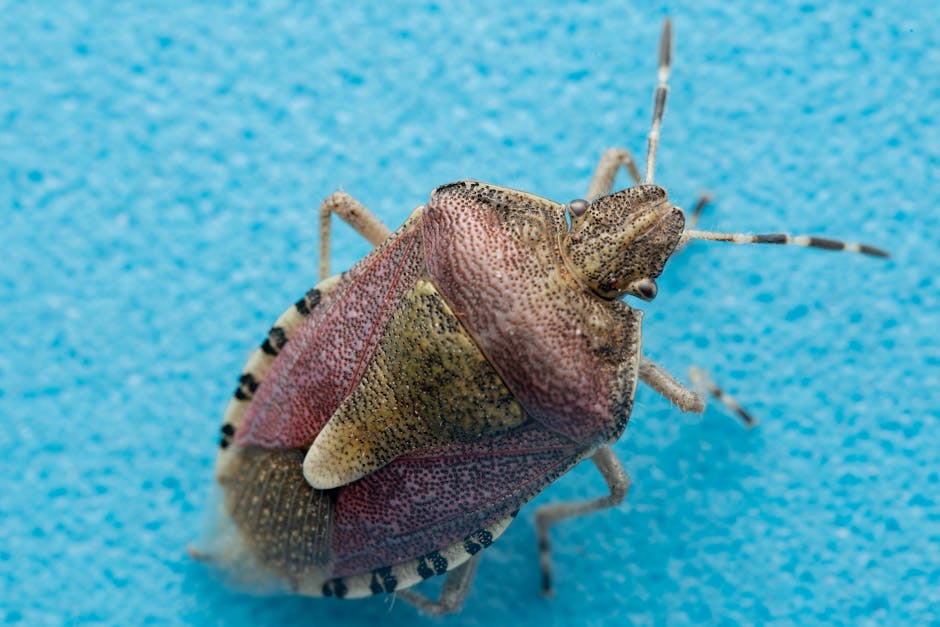
Dealing with a bedbug infestation can be a challenging experience for many homeowners. These tiny pests are notorious for their ability to reproduce quickly and hide in the most unexpected places, making eradication difficult. Understanding the life cycle of bedbugs, their behavior, and effective extermination strategies is crucial for anyone facing this problem. In this article, we will explore various methods of bedbug extermination, discuss preventive measures, and provide insights into when to seek professional help.
Understanding Bedbugs: The Basics
Bedbugs are small, wingless insects that feed on the blood of humans and animals. Adults are typically about 5-7 mm long and reddish-brown in color. One of the most alarming traits of bedbugs is their ability to reproduce rapidly; a single female can lay hundreds of eggs in her lifetime. Bedbugs are not only a nuisance but can also cause allergic reactions in some individuals, leading to discomfort and sleep disturbances.
Their preferred habitat is close to their food source, which is why they are commonly found in mattresses, bed frames, and upholstery. However, they can also hide in cracks and crevices in walls, furniture, and even electrical outlets. Understanding their hiding spots is essential for effective extermination.
Signs of an Infestation
Identifying a bedbug infestation early is key to controlling it before it escalates. Common signs include:
- Small reddish-brown spots on bedding or walls, which are bedbug droppings.
- Blood stains on sheets or pillowcases.
- Visible bedbugs in the seams of mattresses or in furniture.
- Unexplained bites on the skin, usually in a line or cluster.
If you notice any of these signs, it’s important to act quickly to prevent the infestation from spreading.
DIY Methods for Bedbug Extermination
For those looking to tackle a bedbug infestation on their own, there are several DIY methods that can be effective:
1. Vacuuming: Regularly vacuuming infested areas can help reduce the population of bedbugs. Make sure to dispose of the vacuum bag outside to prevent reinfestation.
2. Washing and Heat Treatment: Washing bedding and clothing in hot water and then drying them on high heat can kill bedbugs at all life stages. Items that cannot be washed can be treated with a steam cleaner.
3. Diatomaceous Earth: This natural powder can be sprinkled in areas where bedbugs are hiding. It works by dehydrating the insects when they come into contact with it.
While these methods can be helpful, they may not eliminate the problem entirely, especially in severe infestations.
When to Call Professionals
In many cases, professional extermination may be necessary for effective bedbug control. Pest control experts have access to more powerful insecticides and specialized equipment that can target bedbugs more efficiently. It’s wise to consider professional help if:
- The infestation is widespread and difficult to control.
- DIY methods have failed to yield results.
- You have allergies or sensitivities that make handling pest control products risky.
When choosing a pest control service, look for companies that specialize in bed bug treatment and have positive reviews from customers. A thorough inspection and follow-up treatments might be necessary to ensure complete eradication.
Preventive Measures to Avoid Future Infestations
Once you’ve successfully eliminated bedbugs, it’s crucial to implement preventive measures to avoid future infestations:
1. Regular Inspections: Frequently inspect your home, especially after traveling or bringing in used furniture.
2. Protective Covers: Use mattress and pillow encasements designed to trap bedbugs, preventing them from infesting your sleeping area.
3. Be Cautious with Secondhand Items: Thoroughly inspect and treat any secondhand items before bringing them into your home.
By being vigilant and proactive, you can greatly reduce the risk of bedbug infestations in the future.
Conclusion
Bedbug extermination requires a combination of understanding, action, and vigilance. Whether you choose to tackle the problem yourself or seek professional help, taking immediate steps upon noticing an infestation is crucial. By employing effective extermination techniques and preventive measures, you can protect your home from these resilient pests. Remember, the key to successful bedbug control lies in early detection and a comprehensive approach to eradication.
About the Author