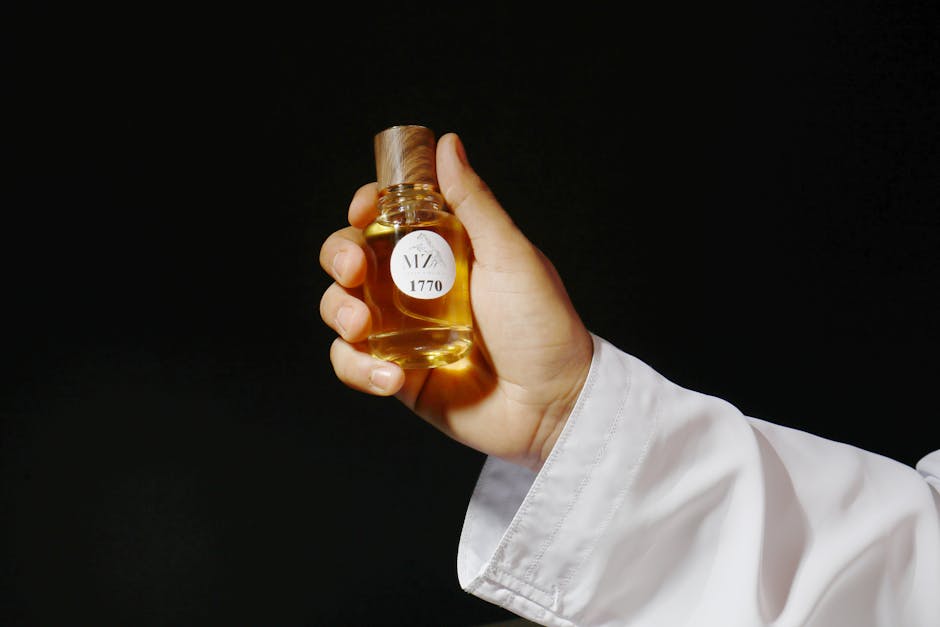
Perfume has captivated humans for centuries, serving as a symbol of identity, emotion, and art. From ancient civilizations using fragrant oils to modern luxury brands producing exquisite scents, the world of perfume is rich and diverse. Understanding the intricacies of fragrance can enhance our appreciation and selection of perfumes. This article explores the history, composition, and selection of perfumes, offering insights for both enthusiasts and novices alike.
The History of Perfume
The origins of perfume can be traced back to ancient Mesopotamia, where the first recorded use of fragrance was documented around 4000 BC. Perfumes were primarily made from natural ingredients such as flowers, spices, and resins. The Egyptians took perfume to new heights, using it for religious ceremonies and as a means of connecting with the divine. In fact, they believed that the gods communicated through fragrance.
As trade routes expanded, so did the complexity of perfume-making techniques. The Greeks and Romans embraced perfume as a status symbol, using it in baths and social gatherings. By the Middle Ages, perfume had become an integral part of European culture, with the creation of the first alcohol-based perfumes in the 14th century. This innovation laid the groundwork for modern perfumery.
Today, perfume houses continue to honor this rich history while pushing the boundaries of creativity. For instance, brands like Maison Francis Kurkdjian (MFK) showcase unique blends that reflect both tradition and modern artistry.
The Science of Fragrance
Understanding the science behind fragrance can greatly enhance our perfume experience. Perfumes are composed of various notes that create a harmonious scent profile. These notes are typically categorized into three groups: top, middle, and base notes. Top notes are what you smell immediately upon application, often citrusy or fruity. Middle notes, or heart notes, develop after the top notes fade and are usually floral or spicy. Base notes are the foundation of the fragrance, providing depth and longevity, often featuring woody or musky elements.
Perfume composition is an intricate process involving both artistry and chemistry. Perfumers, known as ‘noses,’ combine essential oils, aroma compounds, and solvents to create the desired scent. This process requires extensive knowledge of how different ingredients interact with one another, as well as an understanding of how they evolve over time on the skin.
Selecting the Right Perfume
Choosing a perfume can be a daunting task, given the vast array of options available. To find the perfect scent, it’s essential to consider personal preferences, occasions, and even seasonal changes. Testing perfumes on the skin rather than on paper strips is crucial, as the fragrance can change based on individual body chemistry.
When exploring new fragrances, it’s helpful to start with a fragrance family, such as floral, oriental, woody, or fresh. Each family has its characteristics and appeals to different tastes. For example, floral scents might evoke feelings of romance and femininity, while woody fragrances can convey warmth and sophistication.
Additionally, it’s beneficial to sample perfumes in smaller sizes or travel sprays before committing to a full bottle. This approach allows you to wear the fragrance over time and see how it evolves, ensuring you find a scent that truly resonates with you.
The Future of Perfume
The perfume industry is continually evolving, with sustainability becoming a significant focus. Many brands are now prioritizing eco-friendly practices, such as sourcing ingredients responsibly and using recyclable packaging. This shift reflects a growing consumer demand for transparency and ethical production.
Technological advancements are also impacting the fragrance landscape. Innovations in scent delivery systems, such as wearable fragrance devices, are emerging, allowing consumers to enjoy their favorite scents in new ways. Furthermore, the rise of personalized perfumes tailored to individual preferences is gaining traction, enabling a more intimate connection with fragrance.
As we look to the future, the perfume industry will likely continue to blend tradition with innovation, creating scents that not only smell good but also tell a story and convey personal identity.
Conclusion
Perfume is more than just a pleasant scent; it is a form of self-expression and an art form that has evolved over millennia. Understanding its history, composition, and the process of selection can deepen our appreciation for this fascinating world. Whether you are a seasoned fragrance enthusiast or a newcomer, exploring the realm of perfume offers a rewarding journey filled with discovery and personal connection. As you navigate this journey, remember to embrace the scents that resonate with you, creating your unique olfactory signature.
About the Author