
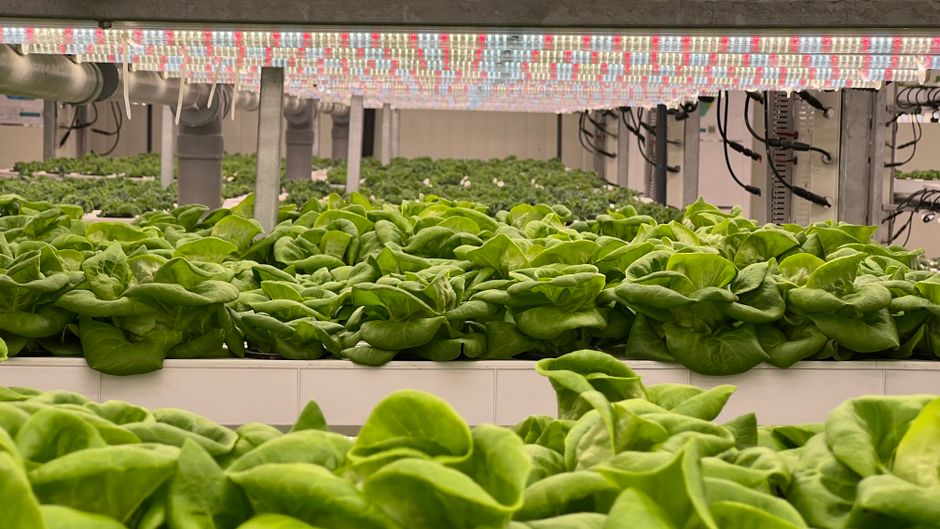
In recent years, the agricultural landscape has been dramatically transformed by the advent of vertical farming technology. This innovative approach to farming addresses some of the most pressing issues facing the global food supply chain, including land scarcity, water shortages, and the need for sustainable practices. As urban populations continue to grow, vertical farming presents a viable solution, allowing food to be produced closer to consumers in a resource-efficient manner.
Understanding Vertical Farming
Vertical farming involves growing crops in vertically stacked layers, often utilizing controlled-environment agriculture (CEA) technology. This method allows for year-round production, independent of weather conditions. With the integration of advanced technologies such as hydroponics, aeroponics, and aquaponics, vertical farms can produce significantly higher yields compared to traditional farming methods.
One of the key benefits of vertical farming is its ability to minimize water usage. Traditional agriculture can consume up to 90% of the world’s freshwater resources, while vertical farms can reduce water consumption by up to 95%. This is achieved through closed-loop irrigation systems that recycle water, making it a more sustainable option for food production.
Moreover, vertical farming can significantly reduce the carbon footprint associated with food transportation. By situating farms in urban areas, crops can be grown closer to where they are consumed, decreasing the distance food must travel and subsequently lowering greenhouse gas emissions.
Technological Innovations in Vertical Farming
The success of vertical farming is largely attributed to the numerous technological innovations that have been integrated into the farming process. Lighting systems, such as LED grow lights, have been developed to provide optimal light conditions for plant growth while consuming less energy. These lights can be tailored to the specific needs of different crops, enhancing growth rates and yield quality.
Additionally, automation plays a crucial role in the efficiency of vertical farms. Automated systems for planting, harvesting, and monitoring plant health can reduce labor costs and increase productivity. Through the use of sensors and data analytics, farmers can monitor environmental conditions and crop health in real-time, allowing for immediate adjustments to optimize growth conditions.
Vertical farming technology also includes innovative nutrient delivery systems. By utilizing hydroponic and aeroponic methods, plants receive nutrients directly through water or mist, leading to faster growth rates and healthier crops. This precision farming approach ensures that resources are used effectively, further contributing to sustainability.
The Economic Viability of Vertical Farming
While vertical farming presents many advantages, it is essential to consider its economic viability. Initial setup costs can be high due to the need for advanced technology and infrastructure. However, as the industry matures and technology costs decrease, vertical farming is becoming increasingly accessible.
Recent studies have shown that urban vertical farms can achieve profitability within a few years of operation, especially in high-demand markets. For instance, some successful vertical farms have reported profit margins exceeding 30%, driven by the premium prices consumers are willing to pay for local, fresh, and sustainably produced food.
Furthermore, government support and investment in vertical farming initiatives are on the rise, with many countries recognizing the potential of this technology to enhance food security and create jobs. As cities continue to grapple with food supply challenges, vertical farming could play a critical role in future urban planning.
Challenges Facing Vertical Farming
Despite its promise, vertical farming does face several challenges. One of the primary concerns is energy consumption. While advancements in energy-efficient technologies are helping to mitigate this issue, the reliance on artificial lighting and climate control systems can still lead to high energy costs.
Another challenge is the potential for disease spread in a controlled environment. With crops grown in close proximity, the risk of pests and diseases can escalate quickly. To combat this, vertical farms must implement stringent biosecurity measures and maintain rigorous hygiene standards.
Lastly, consumer perception can also be a barrier to widespread adoption. Many consumers are still unfamiliar with the concept of vertical farming and may be hesitant to embrace it. Educational initiatives and transparent marketing strategies will be vital in changing public perception and increasing acceptance of vertically farmed produce.
The Future of Vertical Farming
As we look to the future, the potential for vertical farming technology is immense. With ongoing research and development, we can expect to see continued advancements in farming techniques, energy efficiency, and crop diversity. The integration of artificial intelligence and machine learning will also likely enhance operational efficiency and crop management.
In conclusion, vertical farming technology represents a groundbreaking shift in how we approach food production. Its ability to address key challenges such as resource scarcity and urbanization positions it as a vital component of sustainable agriculture. As we continue to innovate and adapt, vertical farming could very well be the solution to feeding our growing global population.
For those interested in exploring more about vertical farming technology, numerous resources and case studies are available, highlighting successful implementations and the future outlook of this transformative approach to agriculture.
About the Author