
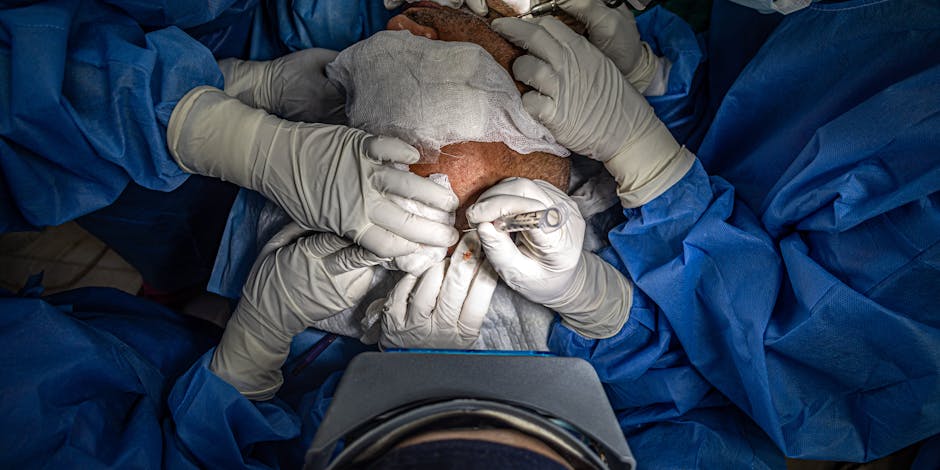
Hair loss is a common issue that affects millions of people worldwide. As society increasingly prioritizes appearance, the demand for effective solutions to hair loss has surged. Among various treatments available, hair transplantation is gaining popularity for its promising results. This article delves into the intricacies of hair transplants, including techniques, benefits, and what potential patients should consider before opting for the procedure.
Understanding Hair Transplantation
Hair transplantation is a surgical procedure that involves transferring hair follicles from a donor site to a balding or thinning area on the scalp. The two primary techniques used in hair transplantation are Follicular Unit Transplantation (FUT) and Follicular Unit Extraction (FUE). Each method has its advantages and drawbacks, making it essential for individuals to understand which technique may be best suited for their specific needs.
The FUT technique involves removing a strip of scalp from the donor area, which is then dissected into individual follicular units before being implanted in the recipient area. This method is often favored for its ability to yield a larger number of grafts in a single session. In contrast, FUE entails extracting individual hair follicles directly from the donor area using a specialized device, which can result in less visible scarring and a quicker recovery time.
Both methods have shown effectiveness in restoring hair, but potential patients should consult with a qualified surgeon to determine which approach aligns with their hair loss pattern and personal preferences.
Benefits of Hair Transplantation
One of the most significant advantages of hair transplantation is its permanence. Unlike topical treatments or medications that need to be used indefinitely, transplanted hair typically grows for a lifetime, providing a natural and lasting solution to hair loss. Patients often express heightened confidence and self-esteem following successful procedures, which can enhance their overall quality of life.
Additionally, advancements in technology have made hair transplants more efficient and less invasive than ever before. Modern techniques minimize discomfort and recovery time, allowing patients to return to their normal activities sooner. Furthermore, many clinics now offer competitive pricing, making hair transplants more accessible to a broader audience.
For those considering international options, countries such as Turkey have become renowned for their affordable and high-quality hair transplant services. Many patients travel to Turkey seeking both cost-effective treatments and experienced professionals.
Factors to Consider Before a Hair Transplant
While hair transplantation can be life-changing, it is not a one-size-fits-all solution. Several factors should be considered before undergoing the procedure. Firstly, candidates should evaluate their overall health, as certain medical conditions may impact the success of the surgery. Additionally, individuals should have realistic expectations regarding the results, as hair growth takes time and varies from person to person.
Another critical aspect is choosing the right clinic and surgeon. Researching the credentials, experience, and reviews of potential clinics can help ensure a safe and effective procedure. Many patients find success by seeking recommendations or exploring resources online to compare options.
Lastly, understanding the potential risks and side effects is vital. While complications are rare, they can occur, making it essential for patients to discuss these concerns with their surgeon during the consultation.
Post-Procedure Care and Expectations
After the hair transplant procedure, patients must follow specific aftercare guidelines to ensure optimal results. This includes avoiding strenuous activities, protecting the scalp from sun exposure, and following prescribed medications. Patience is also crucial, as it may take several months for the transplanted hair to grow fully.
Typically, patients will notice shedding of transplanted hairs within the first few weeks, which is a normal part of the hair growth cycle. New hair growth usually begins around the third month, with significant improvements visible at around six months post-procedure.
Maintaining a healthy lifestyle, including proper nutrition and scalp care, can further enhance the results of a hair transplant. Many individuals also seek ongoing treatments, such as PRP (Platelet-Rich Plasma) therapy, to support hair health.
The Future of Hair Restoration
The field of hair restoration is continually evolving, with research focusing on innovative techniques and technologies. Stem cell therapy and robotic-assisted hair transplants are emerging trends that hold promise for even greater precision and effectiveness. As the industry progresses, patients can expect more personalized and advanced options for hair restoration.
In conclusion, hair transplantation is a viable solution for individuals experiencing hair loss. By understanding the procedures, benefits, and necessary considerations, potential candidates can make informed decisions that align with their goals. As the landscape of hair restoration continues to change, staying informed about the latest developments will help individuals achieve the best possible outcomes.
For those interested in exploring options abroad, hair transplant turkey offers a wealth of opportunities for high-quality care at competitive prices.
About the Author