
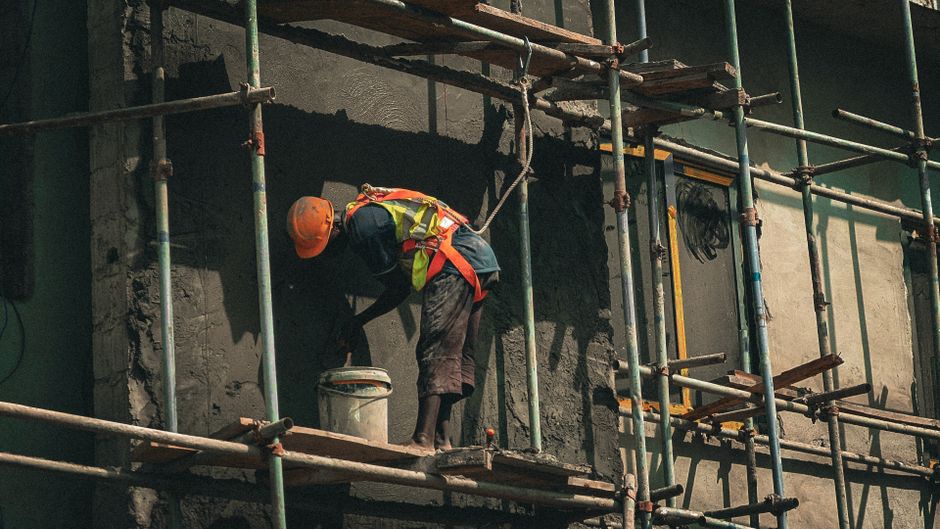
The construction industry stands at the crossroads of technology and tradition, evolving rapidly to meet the demands of modern society. With the advent of new technologies, changing regulations, and a growing emphasis on sustainability, the landscape of construction is shifting dramatically. This article explores the major trends shaping the industry today and how companies can adapt to stay competitive.
Technological Advancements in Construction
Technology is fundamentally changing how construction projects are planned and executed. Innovations such as Building Information Modeling (BIM), drones, and 3D printing are revolutionizing the industry. BIM allows for detailed digital representations of physical structures, facilitating better planning and collaboration among stakeholders. According to a study by McKinsey, the use of BIM can reduce project time by up to 30% and costs by 10%.
Drones are increasingly used for surveying and monitoring construction sites, enabling real-time data collection and analysis. This not only improves safety but also enhances efficiency, as project managers can track progress more accurately. Furthermore, 3D printing is making waves in the construction sector, allowing for rapid prototyping and the creation of complex structures with minimal waste.
Sustainability and Green Building Practices
As environmental concerns grow, the construction industry is prioritizing sustainability. Green building practices, which focus on reducing the environmental impact of construction, are becoming standard. This includes the use of sustainable materials, energy-efficient designs, and waste reduction strategies. According to the U.S. Green Building Council, green buildings can reduce energy consumption by 30% to 50%, significantly lowering operational costs.
The push for sustainability is also reflected in regulations and certifications, such as LEED (Leadership in Energy and Environmental Design). Many clients now demand that their projects meet these standards, prompting construction companies to adopt more eco-friendly practices. This shift not only benefits the environment but also enhances the reputation of construction firms in an increasingly eco-conscious market.
The Role of Skilled Labor
Despite technological advancements, the construction industry still heavily relies on skilled labor. However, there is a growing concern about the shortage of qualified workers. The U.S. Bureau of Labor Statistics predicts that employment in the construction sector will grow by 11% from 2020 to 2030, highlighting the need for skilled professionals.
To address this shortage, many companies are investing in training programs and partnerships with vocational schools. By fostering a new generation of skilled workers, the industry can ensure that it has the talent necessary to leverage new technologies and practices. Additionally, companies that prioritize workforce development often see lower turnover rates and increased productivity.
Impact of Regulations and Compliance
The construction industry is one of the most regulated sectors, with a myriad of local, state, and federal regulations to comply with. Staying updated on these regulations is crucial for avoiding legal issues and ensuring project success. Recent changes in safety regulations, environmental laws, and labor standards require construction firms to adapt quickly.
Compliance can be complex and costly, but it also presents an opportunity for companies to differentiate themselves. By prioritizing compliance and safety, construction firms can build trust with clients and stakeholders. For example, companies that demonstrate a commitment to safety often enjoy a competitive edge in bidding for projects.
Moreover, utilizing resources like a construction network charlotte nc can help firms stay informed about regulatory changes and best practices, ensuring they remain compliant in a dynamic environment.
Future Prospects: What Lies Ahead
The future of the construction industry is bright, filled with opportunities for those willing to adapt. As technology continues to evolve, companies that embrace innovation will likely lead the market. The integration of artificial intelligence and machine learning is expected to further enhance project efficiency and accuracy.
Additionally, the emphasis on sustainability will only grow stronger, with increasing demand for green building practices. Construction firms that can offer sustainable solutions will not only meet client expectations but also contribute to a healthier planet.
In conclusion, the construction industry is undergoing significant transformation driven by technology, sustainability, and skilled labor. By staying informed and adapting to these changes, construction firms can thrive in an ever-evolving landscape.
Conclusion
The construction industry is at a pivotal moment, facing both challenges and opportunities. As it embraces new technologies and prioritizes sustainability, the potential for growth is immense. By investing in skilled labor and ensuring compliance with regulations, companies can position themselves for success in the future. The key to thriving in this dynamic industry lies in adaptability and a commitment to continuous improvement.
About the Author