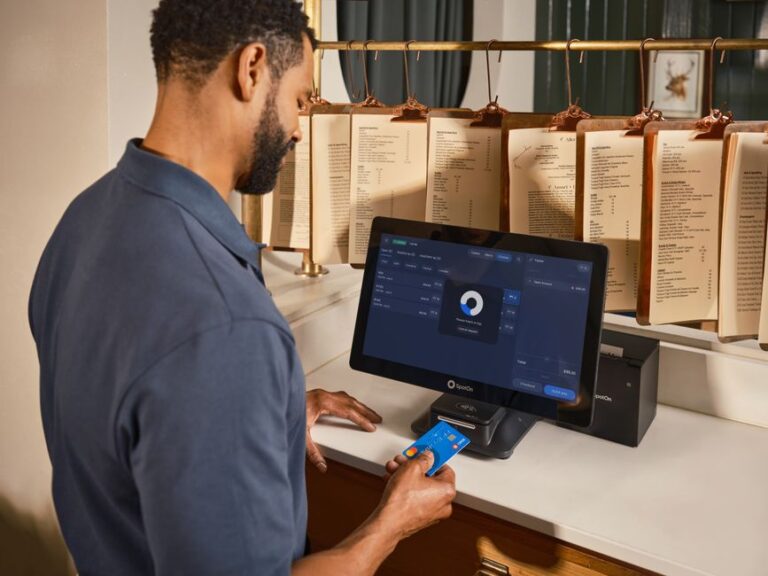
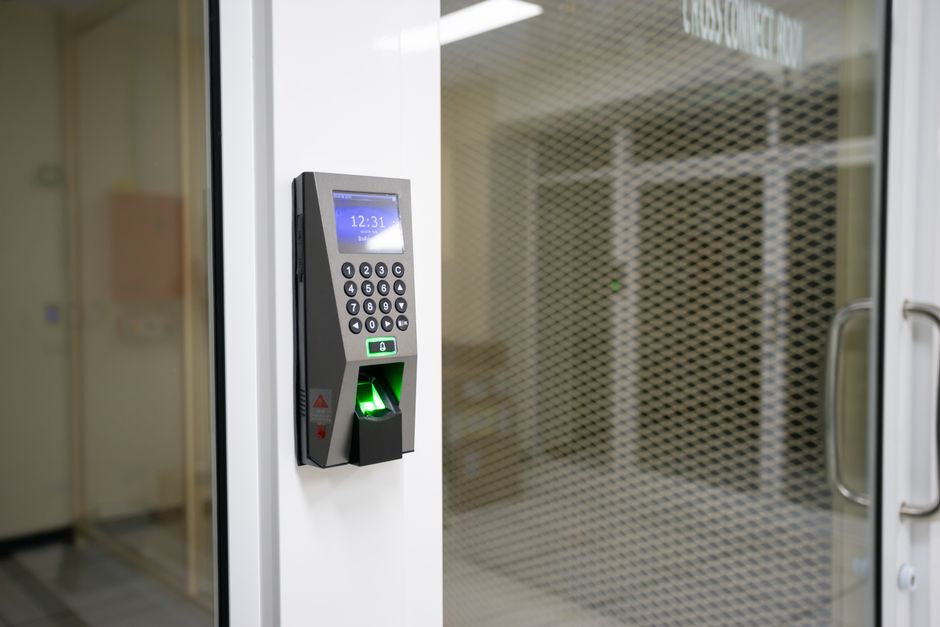
In today’s increasingly digital world, the importance of securing access to sensitive information and physical spaces cannot be overstated. Access control systems (ACS) play a crucial role in managing who can enter or interact with various resources. From corporate environments to personal spaces, these systems ensure that only authorized individuals have the ability to access specific areas or data. This article will delve into the various types of access control systems, their benefits, and implementation strategies that can significantly enhance security measures.
What is an Access Control System?
An access control system is a security technique that regulates who or what can view or use resources in a computing environment. It comprises a set of policies and technologies designed to protect data and physical spaces from unauthorized access. These systems can be as simple as a locked door or as complex as a multi-layered system of biometric scanners and smart cards.
There are two primary types of access control systems: physical access control systems (PACS) and logical access control systems (LACS). PACS govern access to physical locations, such as buildings or rooms, while LACS manage access to digital resources, such as databases or networks. Understanding the distinction between these two systems is essential for organizations looking to bolster their security measures.
Types of Access Control Models
Access control models define how access rights are granted and enforced. The most common models include:
- Discretionary Access Control (DAC): In DAC, the owner of the resource determines who has access. This model is flexible but can lead to security risks if not managed properly.
- Mandatory Access Control (MAC): MAC is a more rigid approach where access is determined by a central authority based on predefined policies. This model is often used in government and military applications.
- Role-Based Access Control (RBAC): RBAC assigns access rights based on the role of a user within an organization. This model simplifies management and enhances security by ensuring that users only have access to the information necessary for their job.
Each model has its own advantages and drawbacks, and organizations must choose the one that best fits their operational needs and security requirements.
Benefits of Implementing Access Control Systems
Implementing an access control system brings numerous benefits to organizations, including:
- Enhanced Security: By restricting access to sensitive areas and information, organizations can significantly reduce the risk of data breaches and unauthorized access.
- Improved Compliance: Many industries are subject to regulations that require strict access control measures. Implementing an access control system can help organizations comply with these regulations and avoid hefty fines.
- Audit Trails: Access control systems often come with logging capabilities that allow organizations to track who accessed what and when. This can be invaluable for forensic investigations in the event of a security incident.
One practical example of the benefits of these systems can be seen in healthcare organizations. By utilizing an access control system, healthcare providers can ensure that only authorized personnel can access patient records, thereby protecting sensitive information and maintaining patient confidentiality.
Challenges in Access Control Implementation
While the advantages of access control systems are clear, the implementation process can present several challenges. These may include:
- Cost: Deploying a comprehensive access control system can be expensive, especially for smaller organizations. Consideration must be given to both hardware and software costs, as well as ongoing maintenance.
- User Resistance: Employees may resist changes to access control policies, particularly if they perceive these changes as inconvenient. It is essential to communicate the reasons for these changes effectively.
- Integration Issues: Organizations often use various systems that may not integrate seamlessly with new access control solutions. Ensuring compatibility across platforms can be a significant hurdle.
Addressing these challenges requires careful planning, stakeholder engagement, and a clear understanding of organizational needs.
Future Trends in Access Control Systems
The landscape of access control systems is continually evolving, driven by technological advancements and changing security needs. Some future trends to watch include:
- Biometric Solutions: The use of biometric identifiers, such as fingerprints and facial recognition, is becoming more prevalent as organizations seek to enhance security and streamline access processes.
- Cloud-Based Solutions: Many organizations are moving towards cloud-based access control systems that offer greater flexibility and scalability compared to traditional on-premises solutions.
- Artificial Intelligence (AI): AI is being integrated into access control systems to analyze patterns and predict potential security threats, enabling proactive security measures.
As these trends continue to develop, organizations must stay informed and adapt their access control strategies accordingly.
Conclusion
In conclusion, access control systems are a vital component of modern security strategies. By understanding the various types, benefits, and challenges associated with these systems, organizations can implement effective measures to protect their assets and data. As technology evolves, staying ahead of trends and adapting to new challenges will be crucial in maintaining robust security. Organizations that prioritize access control will not only safeguard their information but also enhance their overall operational efficiency.
About the Author