Cardiopulmonary Resuscitation (CPR) is a crucial life-saving technique that can make the difference between life and death in emergency situations. Whether it’s a heart attack, drowning, or any incident that leads to cardiac arrest, knowing how to perform CPR can significantly increase the chances of survival for the victim. In this article, we will explore the importance of CPR, the steps involved in performing it, and why everyone should be trained in this essential skill.
The Importance of CPR Training
CPR can be the first line of defense against cardiac arrest. According to the American Heart Association, approximately 70% of cardiac arrests occur at home, making it vital for family members to know how to respond. Quick and effective CPR can double or even triple a victim’s chances of survival before professional help arrives. Unfortunately, many people are unaware of how to perform CPR, which is why training is essential.
Furthermore, statistics show that less than half of the people who experience a cardiac arrest outside of a hospital receive immediate CPR. This is often due to a lack of confidence or knowledge about how to perform the procedure. By attending a CPR course, individuals can gain the necessary skills and confidence to act in an emergency.
Steps to Perform CPR
Performing CPR involves several critical steps that can be remembered easily. First, assess the situation and ensure the scene is safe. Next, check if the person is responsive. If they are unresponsive, call emergency services immediately or ask someone else to do so while you begin CPR.
The CPR process can be broken down into the following steps:
- Position the person on their back on a firm surface.
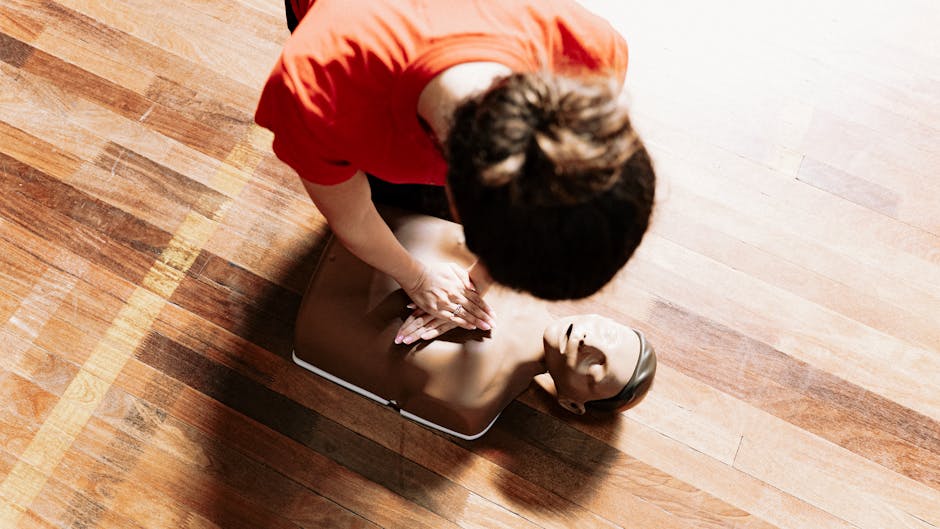
- Begin chest compressions by placing your hands in the center of their chest and pushing down hard and fast, allowing the chest to fully recoil between compressions.
- After 30 compressions, give 2 rescue breaths if you are trained to do so, ensuring to tilt the head back to open the airway.
- Continue this cycle of 30 compressions and 2 breaths until emergency help arrives or the person shows signs of life.
It is important to note that the compression rate should be about 100 to 120 compressions per minute, and the depth of each compression should be at least two inches for adults.
Hands-Only CPR: An Alternative Method
For those who are untrained or uncomfortable giving rescue breaths, hands-only CPR is a highly effective alternative. This method involves continuous chest compressions without any rescue breaths. Research has shown that hands-only CPR can be just as effective as traditional CPR in many cases.
The steps for hands-only CPR are similar:
- Call for emergency help.
- Begin chest compressions immediately, focusing solely on maintaining a steady rhythm.
This method is particularly beneficial for bystanders who may hesitate to perform mouth-to-mouth resuscitation due to concern about transmission of diseases or personal comfort levels.
The Role of AEDs in CPR
Automated External Defibrillators (AEDs) are devices that can analyze the heart’s rhythm and deliver an electric shock if necessary. They are becoming increasingly available in public spaces, making it easier to respond to cardiac emergencies. Using an AED in conjunction with CPR increases the chances of survival significantly.
To use an AED, follow these steps:
- Turn on the AED and follow the audio and visual prompts.
- Attach the pads to the victim’s bare chest as indicated on the device.
- Stand clear while the AED analyzes the heart rhythm.
- If a shock is advised, ensure everyone is clear and deliver the shock.
After using the AED, continue CPR immediately until emergency services arrive.
How to Get CPR Certified
Getting certified in CPR is a straightforward process that can be done through various organizations that offer training courses. Many community centers, hospitals, and organizations like the Red Cross provide CPR training that includes both theoretical knowledge and hands-on practice.
Courses typically last a few hours and cover all aspects of CPR, including adult, child, and infant techniques. For those in Stockholm, a convenient option is to enroll in a HLR kurs Stockholm, which provides comprehensive training tailored to the local community.
Conclusion
In conclusion, CPR is a vital skill that everyone should learn. It empowers individuals to act decisively in emergencies, potentially saving lives. Whether through traditional CPR or hands-only methods, the ability to perform CPR can make a significant difference in critical situations. By getting trained and certified, you not only enhance your preparedness but also contribute to a safer community. Remember, every second counts when it comes to cardiac emergencies, and your actions can be the key to survival.
About the Author