
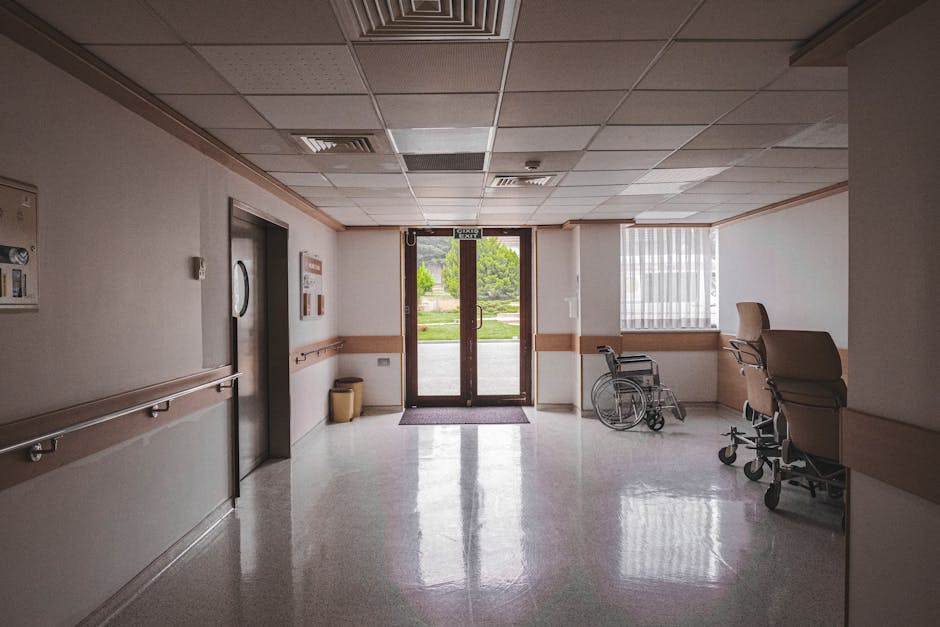
Psychiatric hospitals play a critical role in the healthcare system, providing specialized care for individuals with mental health disorders. These facilities are designed to offer intensive treatment and rehabilitation, addressing a wide range of psychological issues. In this article, we will explore the functions of psychiatric hospitals, the types of treatments offered, the importance of mental health care, and the differences between inpatient and outpatient services.
What is a Psychiatric Hospital?
A psychiatric hospital, often referred to as a mental health hospital, is a healthcare facility dedicated to the treatment of serious mental health conditions. Patients admitted to these institutions typically require a higher level of care than what can be provided in outpatient settings. Psychiatric hospitals are staffed by a team of mental health professionals, including psychiatrists, psychologists, nurses, and social workers, who work together to create individualized treatment plans.
These facilities focus on various mental health disorders, such as depression, anxiety, bipolar disorder, schizophrenia, and substance abuse issues. The environment of a psychiatric hospital is structured to promote healing and recovery, often featuring therapy rooms, recreational areas, and safe spaces for patients to interact and engage in therapeutic activities.
Treatment Approaches in Psychiatric Hospitals
Psychiatric hospitals employ a variety of treatment modalities to address the diverse needs of their patients. One of the primary approaches is psychotherapy, which is a form of talk therapy that helps individuals explore their thoughts, feelings, and behaviors. Various types of psychotherapy, including cognitive-behavioral therapy (CBT), dialectical behavior therapy (DBT), and group therapy, are commonly used in these settings.
In addition to psychotherapy, psychiatric hospitals may also provide medication management. Psychiatrists evaluate patients and prescribe medications to help manage symptoms of mental health disorders. This combination of medication and therapy is often essential for achieving optimal treatment outcomes. For example, a patient with severe depression may receive antidepressants alongside regular therapy sessions to address the underlying psychological issues.
Moreover, psychiatric hospitals may offer alternative therapies such as art therapy, music therapy, and mindfulness practices. These integrative approaches can enhance traditional treatments, providing patients with additional tools to cope with their mental health challenges.
The Importance of Mental Health Care
Recognizing the importance of mental health care is crucial in today’s society. Mental health issues affect millions of people worldwide, yet many individuals face stigma and barriers when seeking help. Psychiatric hospitals serve as a safe haven for those in crisis, offering comprehensive care that can lead to significant improvements in quality of life.
Statistics show that one in five adults experiences mental illness each year, highlighting the need for accessible mental health services. Psychiatric hospitals are essential in addressing acute mental health crises, providing immediate intervention and stabilization for individuals who may be a danger to themselves or others.
Furthermore, psychiatric hospitals play a vital role in educating patients and their families about mental health conditions. By fostering understanding and awareness, these facilities can help reduce stigma and encourage individuals to seek the help they need.
Inpatient vs. Outpatient Services
Understanding the differences between inpatient and outpatient services is vital when navigating mental health care options. Inpatient services are provided within a psychiatric hospital and typically involve a longer stay for individuals who require intensive treatment and monitoring. This setting allows for 24/7 care, ensuring that patients receive the support they need during their recovery.
Conversely, outpatient services are designed for individuals who do not require constant supervision and can benefit from therapy or medication management while living at home. Outpatient programs vary in intensity, from weekly therapy sessions to partial hospitalization programs that provide structured treatment during the day.
Choosing the right level of care depends on the individual’s needs, severity of their condition, and available support systems. For instance, a person experiencing severe anxiety may initially benefit from inpatient care, while someone with mild depression might find outpatient therapy sufficient.
Conclusion
Psychiatric hospitals are crucial components of the mental health care system, offering specialized treatment for individuals facing severe psychological challenges. By understanding the functions, treatment approaches, and importance of these facilities, individuals can make informed decisions about their mental health care. Whether through inpatient or outpatient services, the goal remains the same: to promote healing, recovery, and a better quality of life for those affected by mental health disorders. If you are looking for guidance on mental health practitioners, consider consulting a Psychiatrist in dubai for tailored support and care.
About the Author