
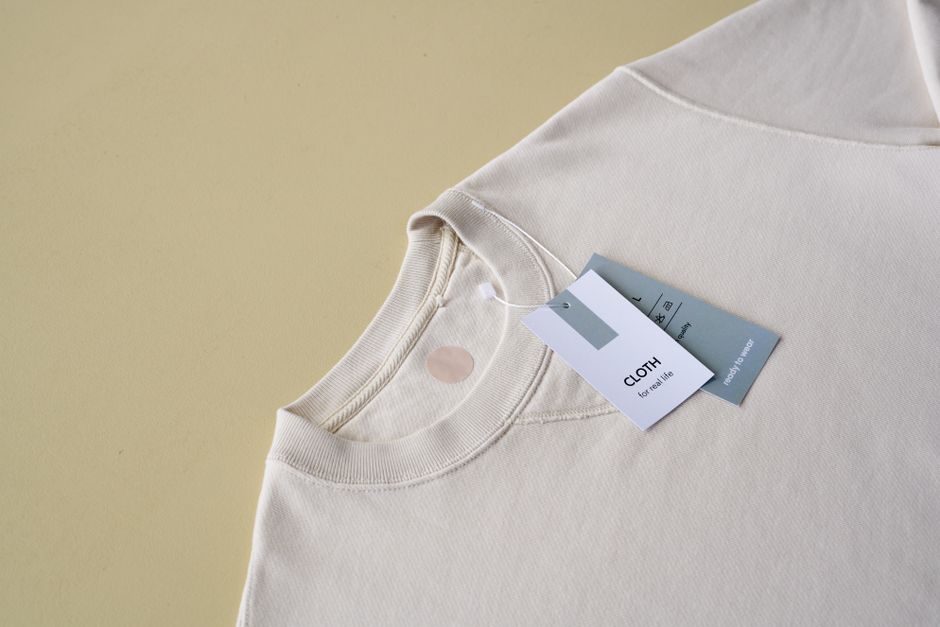
The fashion industry has been undergoing a significant transformation in recent years, with one of the most notable trends being the rise of private label clothing. This approach allows retailers and brands to offer unique products without the overhead costs associated with large manufacturing operations. But what exactly is private label clothing, and why should businesses consider integrating it into their strategies?
Understanding Private Label Clothing
Private label clothing refers to garments that are manufactured by one company but sold under another company’s brand name. This model enables retailers to create a distinctive product line that resonates with their target audience. Unlike traditional brand-name products, private labels often provide higher profit margins due to lower production and marketing costs.
According to a report by Market Research Future, the global private label apparel market is expected to reach $182 billion by 2025, growing at a CAGR of 3.4%. This growth is attributed to the increasing consumer preference for unique, quality products that reflect personal style without the hefty price tag.
For entrepreneurs and small businesses, the private label model offers an excellent opportunity to enter the competitive fashion market. By partnering with manufacturers, they can focus on branding and marketing while benefiting from the established production capabilities of their partners.
The Benefits of Private Label Clothing
One of the most significant advantages of private label clothing is the control it gives brands over their product offerings. Retailers can dictate the design, materials, and pricing of their clothing lines, allowing for creativity and differentiation in a crowded marketplace. This level of control helps build brand identity and customer loyalty.
Moreover, private label clothing often comes with cost savings. Retailers can bypass the expenses associated with established brands, allowing them to offer competitive pricing to consumers. This pricing strategy not only attracts budget-conscious shoppers but also boosts sales volume.
Additionally, private label clothing can enhance customer experience. Retailers can curate collections that meet specific consumer needs, whether that be sustainable materials, trendy designs, or size inclusivity. This tailored approach fosters a deeper connection with customers, encouraging repeat purchases.
Challenges in Private Label Clothing
Despite the advantages, there are challenges associated with launching a private label clothing line. One of the primary obstacles is ensuring product quality. Retailers must conduct thorough research when selecting manufacturers to avoid issues with fabric quality, sizing inconsistencies, or production delays.
Furthermore, establishing a brand presence in a saturated market can be difficult. Retailers need to invest in effective marketing strategies to promote their private label offerings. This may involve a combination of social media campaigns, influencer partnerships, and traditional advertising to gain visibility.
Logistical considerations also play a crucial role. Retailers must manage inventory effectively and ensure timely delivery to customers. Implementing a robust supply chain management system is essential to avoid stockouts or overstock situations that can impact profitability.
Success Stories of Private Label Brands
Several brands have successfully leveraged the private label model to achieve remarkable success. For instance, Target’s private label clothing lines, such as Goodfellow & Co. and A New Day, have become immensely popular among consumers for their affordability and trendy designs.
Similarly, Amazon has made significant inroads into the private label clothing market with its brand, Amazon Essentials. Offering quality basics at competitive prices, the brand has garnered a loyal customer base, demonstrating the potential of private label clothing in e-commerce.
These success stories highlight that with the right strategy, private label clothing can not only compete with established brands but can also carve out a niche market that resonates with consumers.
Getting Started with Private Label Clothing
For those looking to dive into the world of private label clothing, the first step is conducting market research. Understanding the target audience and identifying gaps in the market is crucial. Once this is established, retailers can begin sourcing manufacturers that align with their vision and values.
Building a strong brand identity is equally important. This involves creating a compelling name, logo, and marketing strategy that reflects the essence of the private label clothing line. Engaging with customers through social media and gathering feedback can help refine the product offering.
Finally, investing in high-quality visuals and product descriptions is essential for online retail. As consumers cannot physically touch or try on products, providing detailed information and appealing imagery can significantly influence purchasing decisions. This is where exploring options like private label clothing can enhance your offerings.
Conclusion
The private label clothing model presents a wealth of opportunities for retailers looking to carve out their niche in the fashion industry. With a focus on quality, creativity, and customer engagement, brands can successfully navigate the challenges of this space. As the market continues to evolve, embracing private label clothing could be the key to unlocking new revenue streams and building a loyal customer base.
About the Author